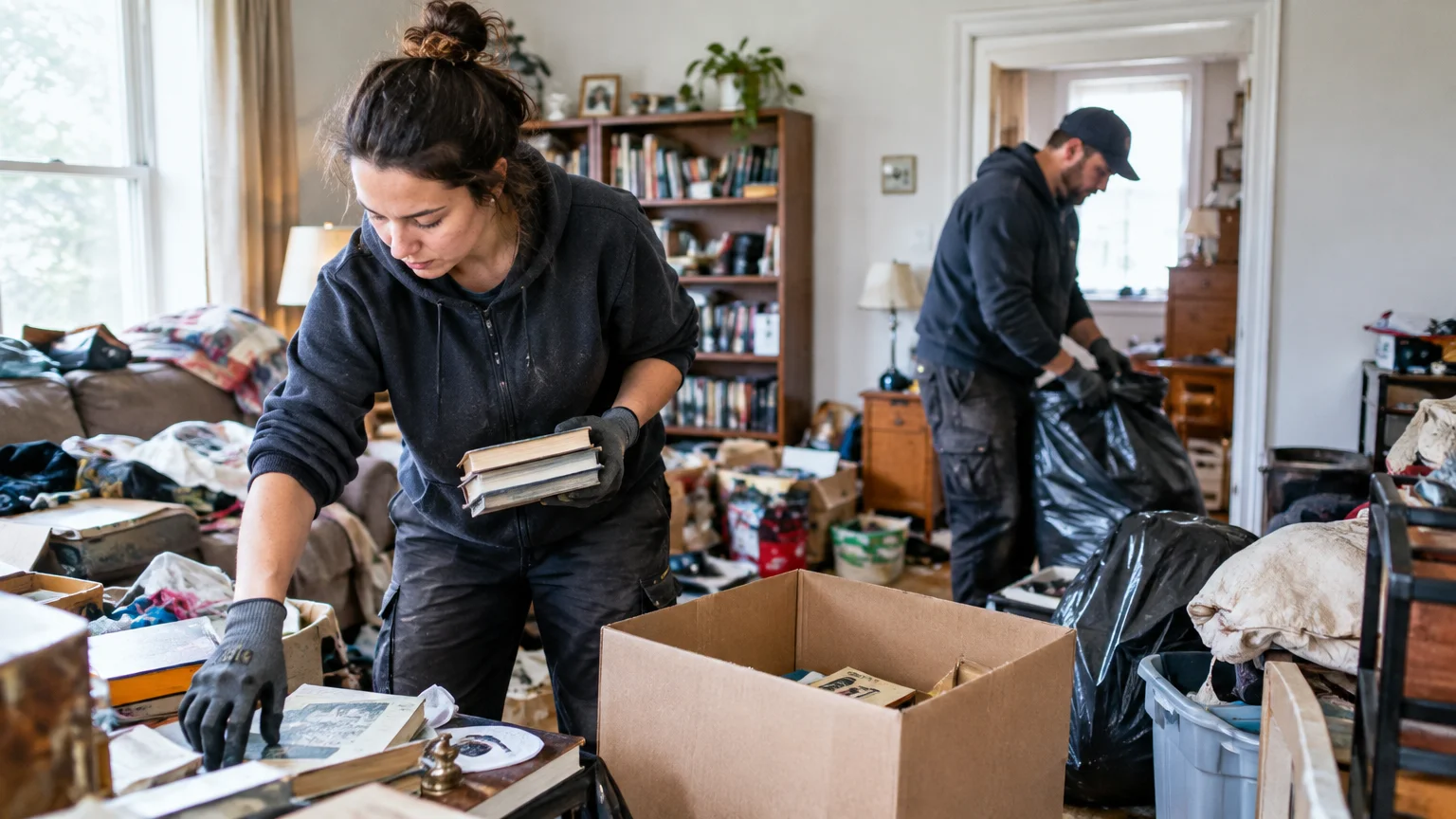
To prepare for a hoarding cleanup, begin with safety, clear goals, and a simple plan. Pick priority rooms, protect important items, arrange access, and share known hazards with the crew. This calm approach helps families in Palm Coast work through hard choices without more stress.
What should you do before a hoarding cleanup begins?
Before work starts, the family or property owner should agree on the main goal. It may be safer walkways, a usable kitchen, a clear bedroom, or a home ready for sale. A small first goal often feels easier than trying to clear the whole property at once.
Hoarding cleanup means removing extra items from a home where clutter affects safe use. It is not just a fast junk removal job. The work may include sorting, hauling, basic cleaning, and planning for repairs.
How can you set realistic goals for the cleanup?
When possible, the person living in the home should help make the plan. Family members can offer support, but they should avoid threats, blame, or surprise removal. These actions may increase fear and make later progress harder.
A written plan can keep everyone focused. It can name the first room, the items that must stay, and the safety issues that need care. Add time for breaks. Cleanup can feel tiring and emotional, even when everyone wants the home to improve.
Which rooms and safety concerns should come first?
Begin with places that affect daily life or urgent safety. These may include exits, stairs, hallways, bathrooms, kitchens, and sleeping areas. Blocked doors, weak stacks, spoiled food, sharp items, pests, mold, and water damage need early attention.
Tell the cleanup team about pets, children, medical needs, fragile belongings, and known hazards. The team also needs to know if the home has working water, power, and safe lights. Palm Coast Florida Junk Removal can help homeowners choose a starting room and plan safer access.
How can you prepare the property and belongings for cleanup?
Good preparation protects people and important belongings. The owner does not need to move every item before the crew arrives. Instead, mark essential items, gather key papers, and make a clear path to the main entrance.
How should essential, sentimental, and unwanted items be separated?
Use three simple groups: keep, review, and remove. The keep group may include medicine, identification, legal papers, family records, working devices, and items used each day. The review group can hold things that need more time or a family choice.
The remove group may include broken furniture, spoiled goods, empty containers, and items no one wants. Family members should not throw away valuables without permission. Small labels, colored tape, or separate rooms can help prevent mistakes.
Sentimental items need extra care. Put photos, letters, artwork, and heirlooms in clean boxes away from the work area. Keep important papers with a trusted person. Do not leave them in a pile near items marked for removal.
How can access, utilities, and parking be arranged?
Make sure the team can reach the home and the rooms that need work. Clear the path from the driveway to the entrance when possible. Unlock gates, secure pets, and explain any stairs, narrow doors, or damaged floors.
Working utilities can help with sorting and cleanup, but unsafe systems should not be used. Report leaks, power problems, gas odors, broken steps, or signs of building damage before work starts. A parking spot near the entrance may also reduce lifting distance.
What happens during a professional hoarding cleanup?
A professional cleanup often starts with a walk-through and a review of the plan. The crew notes items for removal, items that need protection, and areas needing extra care. The team then works in sections instead of pulling everything out at once.
How is the cleanup process organized?
A common process includes these steps:
- Review the home and safety plan. The crew checks access, rooms, hazards, and the owner’s priorities.
- Create sorting areas. Keep, review, donation, recycling, and disposal areas help prevent mix-ups.
- Clear safe paths first. Open exits, halls, stairs, and routes to key rooms.
- Remove unwanted items. The crew loads approved furniture, appliances, household junk, and other materials.
- Clean cleared areas. Sweeping and basic surface cleaning may reveal damage or repair needs.
- Review the results. The owner checks the space and notes the next steps.
Items such as mattresses, freezers, branches, yard waste, dirt, sod, and building debris may have different disposal rules. Ask what the crew can handle before work begins. Local disposal sites may also set separate rules for these materials.
When may specialized removal or sanitation be needed?
Some homes need more than regular hauling. Strong odors, pests, mold, animal waste, needles, water damage, or spoiled materials may need special cleaning or another qualified provider. Cleanup crews should not handle dangerous materials outside their training.
A hoarding cleanup may also uncover damaged drywall, flooring, plumbing, wiring, or insulation. Construction Debris Removal can help with approved renovation waste after repairs begin. If the property is part of an estate, move, or sale, an Estate Cleanout or House Cleanout may help with the remaining household items.
How can you make hoarding cleanup less stressful afterward?
Cleanup is only one part of making a home usable again. After removal, walk through each cleared room and note repairs, cleaning needs, and items that still need a home. A simple plan can help the space stay useful without demanding perfection.
How should repairs and organization be planned?
Repair urgent problems first. Fix unsafe steps, broken locks, leaks, exposed wires, and damaged floors before adding storage. Then clean surfaces and improve lighting. Open shelves, clear bins, and labels can make needed items easier to find.
Avoid filling every open area right away. Empty space makes future cleaning easier. A weekly check of exits, hallways, food storage, and waste can also help find problems early.
How can safety and support continue after cleanup?
Support should stay calm and respectful. A family member, trusted friend, counselor, or care professional may help the resident make choices and keep routines. The goal is a safer, more useful home, not punishment or shame.
Property owners and managers may need a different plan when a home must be rented, sold, or repaired. Foreclosure Cleanout and Estate Cleanout services can help when removal covers several rooms. For properties in Palm Coast and nearby communities, the next step should keep safety and dignity at the center. Palm Coast Florida Junk Removal can explain a practical next step.
Frequently Asked Questions
Should the resident be present during a hoarding cleanup?
The resident should take part when it is safe and practical. Their input can help protect important or meaningful items. Some people may need breaks or support during sorting. If the home has serious hazards, a qualified professional should help decide who can enter safely.
What should be removed first from a crowded home?
Blocked exits, unsafe paths, spoiled materials, sharp items, and unstable stacks usually need early attention. The first goal should be safe movement through key areas. After that, the crew can work on the kitchen, bathroom, bedroom, or entryway based on the owner’s needs.
Can a junk removal company handle every item in the home?
Not always. Some materials need special handling, including chemicals, medical waste, fuel, asbestos, and certain electronics. Describe unusual items before scheduling service. The crew can explain what it accepts and when another licensed provider is needed.
How can families avoid making cleanup more stressful?
Use calm words, avoid blame, and agree on one clear goal at a time. Protect documents, medicine, money, and sentimental items before removal begins. Regular breaks and respectful choices can help the resident stay involved and feel safe.
Key takeaways
- Start with safety, clear paths, and one realistic cleanup goal.
- Sort belongings into keep, review, and remove groups.
- Protect documents, medicine, valuables, and sentimental items.
- Tell the crew about hazards, pets, utilities, access, and unusual materials.
- Plan repairs, storage, and ongoing support after removal.
Conclusion
A hoarding cleanup is easier when the plan is calm, clear, and respectful. Safety comes first, and the resident’s needs should guide important choices. With careful preparation, a crowded property can become more usable without turning the process into a rushed or painful event.
Contact us to discuss a respectful hoarding cleanup plan with Palm Coast Florida Junk Removal.